An Embroidery Designer's Take on Eat Sleep Play Soccer SVG
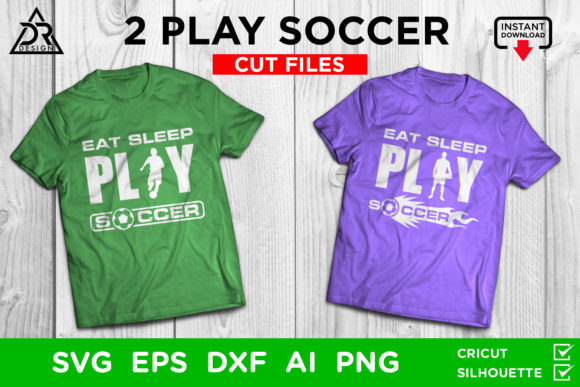
Every so often, a design lands in your workflow that feels immediately familiar and perfectly timed. That was my first impression of the Two Eat Sleep Play Soccer SVG Cut Files. It’s a theme I see requested often, especially around team seasons, birthdays, and family gifts. As someone who stitches for both personal projects and client work, my review is always about how a file translates from screen to stitch. I’m looking at its potential on a real hoop, on actual fabric, and in the hands of a customer.
The Design’s Personality: A Natural Fit for Casual Embroidery
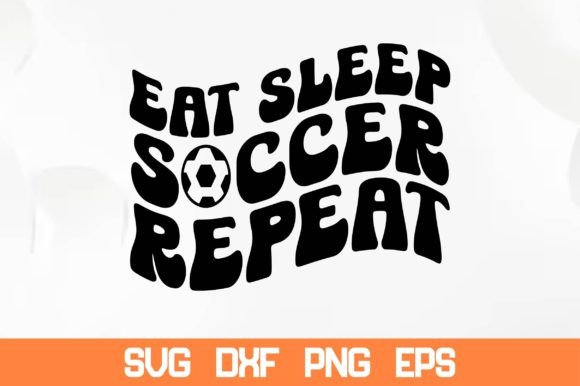
The mood here is playful, active, and universally understood. The “Eat Sleep Play Soccer” layout is straightforward, which is a strength. For embroidery, especially on items like kids’ sweatshirts, tote bags, or caps, clarity is king. The design doesn’t overcomplicate; it states its theme with a friendly confidence. This visual personality leans casual, making it ideal for personalized gifts and everyday sporty merchandise rather than formal apparel.
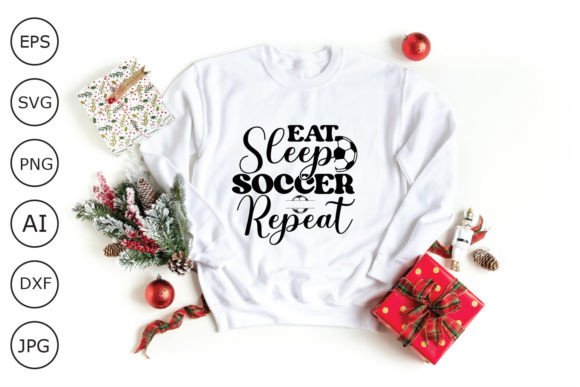
Thinking about its application, I naturally picture it on a cozy, cotton-blend sweatshirt for a young player, or perhaps a sturdy canvas tote for a soccer mom. It has that “gift-ready” feel. For small business owners in the craft space, especially those selling at fairs or on Etsy, this kind of recognizable, heartwarming theme is a reliable seller. It taps into a community passion without needing customization for each buyer.
Where This Soccer Design Shines in Real Projects
Let’s talk about specific embroidery situations. I recently had a client request a custom gift for her nephew’s team. The brief was simple: something he’d actually wear that celebrated his obsession. This design was a contender. On custom apparel like t-shirts and sweatshirts, the bold letters would translate well into solid satin stitches or fill stitches, creating a clean, readable result. For embroidered patches, it’s a fantastic candidate—the text-based design can be stitched onto a twill backing and applied to backpacks or jackets, a product with high durability.
Beyond wearables, consider home goods. Embroidered on the corner of a tea towel or the front of a pillow cover for a child’s room, it becomes decorative and personal. For baby items, like a knit blanket, simplifying the design to perhaps just “Play Soccer” from the set could be a sweet, smaller-scale application. The two-file set offers some flexibility, allowing you to choose the layout that best suits the product’s size and shape.
For commercial embroidery and small shop merchandise, consistency is key. This design provides a reliable design asset for a boutique focusing on sport-themed goods. It could be part of a series, creating brand recognition across aprons, caps, and holiday gifts like themed Christmas stockings. The visual appeal is in its authenticity; it looks like something a fan would genuinely want.
A Practical Scenario: Prepping a Team Tote Bag
Imagine you’re preparing an embroidered tote bag for a soccer team’s fundraiser. You’ve chosen a natural canvas bag. Your first step is testing. You’d run one of the soccer files on scrap canvas first. You’d check the stitch density for the fabric texture—canvas can handle a denser fill, but you want to ensure the small details in the lettering, like the corners of the “E” and “S”, don’t get lost in a thick running stitch outline. You’d select thread colors with strong contrast against the bag color, likely a bright combination for visibility. Using proper stabilizer is non-negotiable here to keep the design crisp on a bag that will be used and washed.
This real-life test informs the final product’s quality. A clean, sharp embroidery result on that tote increases its perceived value, builds customer trust in your craft business, and makes it a more engaging, giftable item. The professionalism of the finished stitch turns a simple digital file into a tangible, sellable product.
Caution and Care: Where to Be Mindful
Not every project is ideal. For this design, the primary considerations are scale and fabric type. On very small hoop sizes, the lettering could become cramped. If you’re aiming for a tiny motif on a cap’s curved side or a baby bib, you might need to simplify or use only one word from the phrase. Stretchy fabrics like thin jersey knits can distort text, so a firm stabilizer and potentially reducing the design size are advisable.
Dark fabric backgrounds require thoughtful thread choice—light, vibrant threads will pop, but you must test to ensure the fill stitches don’t sink into the dark base. Also, consider products that need frequent washing, like kids’ t-shirts. A densely stitched, large design might be less durable over time than a smaller, simpler version. The key is adaptation.
The design’s strength is in its medium to large-scale application. On a sweatshirt embroidery or tote bag design, it will look confident and clear. On a delicate, textured fabric like a linen blend, you might opt for a lighter stitch type to maintain the fabric’s character.
Notes from the Worktable: An Embroidery Designer’s Checklist
Before loading this embroidery file for a real client or product, my process includes a few non-negotiable steps. First, I always test the design on scrap fabric first. This reveals how the machine handles the details and informs my choice of stabilizer. I check thread color contrast by stitching a sample on both light and dark scraps, often creating simple black and white mockups digitally to preview the impact.
I review stitch density by looking at the file preview—are there areas that might be too thick for a lightweight fabric? I confirm hoop size suitability. Does the design need a 4x4 hoop, or a larger 5x7? This affects the product choice. I meticulously inspect small details like the spacing between letters; tight spacing can cause thread buildup.
Crucially, I verify the licensing. The product is categorized under Crafts and Graphics. As a designer selling finished items, I must confirm whether this digital embroidery file is cleared for commercial embroidery use, for selling the finished product like embroidered patches or custom apparel. This is a fundamental step for any Etsy seller or creative entrepreneur.
The Two Eat Sleep Play Soccer SVG Cut Files, from a practical designer’s viewpoint, are a solid, thematic asset. They won’t surprise you with complexity, but they will deliver a recognizable, emotive result when stitched with care. They fit naturally into the workflow of making personalized gifts and small shop products. Their value is realized not in the zip folder, but in the thoughtful application—the right fabric, the right scale, the right product—that turns a digital cut file into a cherished, stitched reality.