Evaluating Tigers Distressed Soccer for Embroidery Projects
When a new design file lands in my library, my first thought isn't about opening it. It’s about imagining it stitched. Today, that file is Tigers Distressed Soccer. As someone who has to translate digital graphics into physical thread on fabric for clients and my own shop, this evaluation is a practical one. I'm looking at it from the perspective of a crafter preparing to hoop a sweatshirt or an Etsy seller wondering if this design will elevate a simple tote bag.
The Immediate Personality of This Distressed Graphic
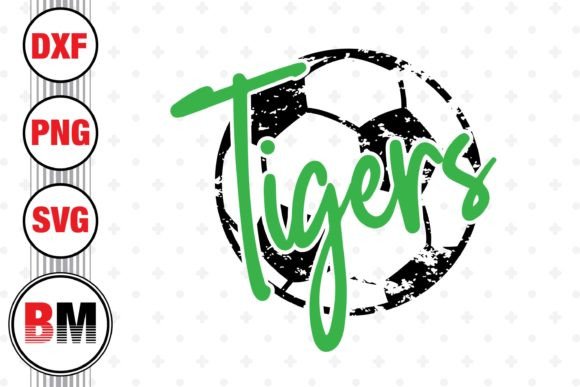
The name tells you exactly what you’re getting: a sports theme with a raw, textured edge. The distressed effect isn't just a visual trick; it’s a mood. It creates an instant sense of vintage authenticity, a worn-in, loved feel that pure crisp lines often lack. For embroidery, this is a significant starting point. A design with this personality naturally lends itself to projects aiming for a relaxed, cool, or nostalgic vibe, rather than formal or pristine.
Thinking about its application, my mind goes straight to casual apparel and home goods. It feels like a natural fit for a youth soccer team sweatshirt, a personalized gift for a coach, or a statement patch on a denim jacket. The graphic’s layout, with its central thematic focus, suggests it’s built for a mid-sized hoop area. It isn't overwhelmingly detailed, which is good news for stitch clarity, but the distressed edges will require some thought on how to translate that "roughness" into thread without it becoming a muddy, dense stitch area.
Where This Design Earns Its Thread
Let’s walk through some real project scenarios. I’m picturing a custom embroidered sweatshirt for a teen. The distressed aesthetic pairs perfectly with the fabric’s texture. On a black or navy hoodie, with a contrasting thread palette, this design would pop with a handmade, boutique-quality feel. It’s the kind of detail that makes a garment feel special, not generic.
For a small business owner creating merchandise, like embroidered tote bags for a local soccer club, this graphic offers strong recognition and brand consistency. It’s adaptable. You could use it on a cap, though curved surfaces demand careful stabilization. I’d also consider it for a pillow cover in a sports-themed room or a simple tea towel as a fun holiday gift for a soccer fan. The key in all these cases is matching the design’s casual mood with the product’s purpose.
As a digital embroidery file, its value for commercial embroidery projects hinges on its usability. Without knowing exact stitch counts or hoop sizes from the provided description, the practical step here is clear: test it on scrap fabric first. Run a sample on the fabric you intend to use—whether it’s a cotton blend for apparel or a tougher canvas for a bag. Check the stitch density on those distressed areas. Do they stitch out cleanly without pulling or puckering? This is how you protect your product’s quality and your customer’s trust.
The Considerations Before You Hoop
Confidence in a design comes from knowing its limits as much as its strengths. For Tigers Distressed Soccer, the distressed details are both a feature and a consideration. On very small hoop sizes, those textured edges might lose definition, becoming a blur of fill stitch. On highly textured fabrics like some sweaters or terry cloth, the same could happen. The design needs a relatively smooth ground to shine.
Dark fabric is a fantastic backdrop for this theme, but thread color contrast is paramount. You’ll need to choose colors that both stand out and respect the distressed, muted tone of the original graphic. A quick test in a software mockup, in both black and white backgrounds, can save you thread and frustration.
For products that need frequent washing, like baby clothes or kitchen towels, the integrity of those detailed edges matters. A clean satin stitch outline might handle wash cycles better than a very fine, dense running stitch simulation of distress. Again, a scrap fabric test under real conditions is your best friend. It affects the giftability and longevity of the finished product.
A Designer’s Practical Notes for Execution
Before committing this to a client’s custom apparel or your next craft fair product batch, here’s my mental checklist:
- Stabilizer is non-negotiable. Especially for stretchy fabric or layered garments. The right stabilizer ensures the design’s shape holds, preserving that distressed personality.
- Inspect the small details in your machine’s preview. Are there any tiny corners or potential thread traps in the graphic that could cause stitching issues?
- Consider the product’s entire presentation. An embroidered patch with this design, applied to a bag, feels professional and engaging. It adds value.
- Most critically, confirm the licensing terms for this digital product before selling any finished items or commercial embroidery projects. The product description mentions instant download for various uses, but clarity on commercial rights is essential for small shop owners and Etsy sellers.
Ultimately, Tigers Distressed Soccer feels like a versatile crafts asset in the graphics category. It’s not a one-trick design. Its success in embroidery hinges on the maker’s skill in pairing it with the right project, fabric, and thread strategy. It has the visual character to make a handmade product feel thoughtfully designed, which is exactly what buyers look for. When you approach it with this practical perspective—testing, adapting, and matching it to its natural habitat—it transitions from a digital file to a genuinely valuable part of your embroidery project lineup.