I Am a Soccer Wine Kinda Mom: A Designer’s Review
First Glance: The Mood Hits Before the Needle Drops
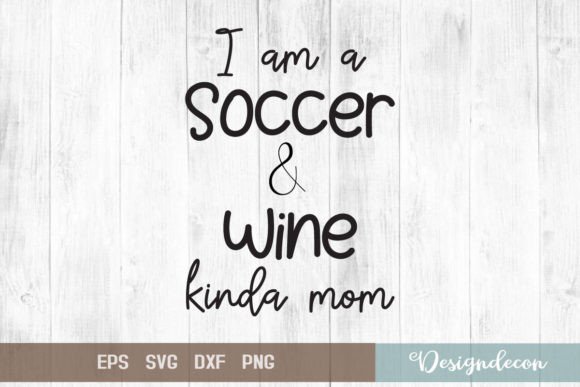
When I pulled up I Am a Soccer Wine Kinda Mom for the first time, I immediately pictured a fun, unapologetic tote bag slung over a sideline chair. The hand-lettered inscription feels like it was scrawled with a Sharpie in the best possible way—playful, warm, and just a little cheeky. The lettering curves naturally, with intentional unevenness that keeps it from looking like a sterile print. That’s a big deal for machine embroidery projects, because a design that already feels handmade in its digital form tends to translate beautifully into thread. The visual personality is exactly what you’d want for a personalized gift, a boutique T-shirt, or a small-shop product that connects with a very specific customer.
As a craft business asset, this design taps into the ever-popular soccer mom niche but adds the wine lover twist, which immediately doubles the emotional reach. I can already hear a customer saying, “Oh my gosh, that’s so me.” That kind of recognition is what turns a casual browser into a buyer. The overall layout is horizontal, slightly compact, and the lettering weight feels balanced—not too thin, not too chunky. That’s a promising start for embroidery, where delicate strokes can disappear and overly bold sections can turn into stiff patches.
Dropping the Design into a Real Embroidery Project
Let’s walk through a realistic scenario: I’m preparing a batch of custom canvas tote bags for a local soccer club’s parent appreciation event. The client wants something that feels personal, a little sarcastic, and completely wearable for grabbing coffee between games. The plan is to stitch I Am a Soccer Wine Kinda Mom onto the front flap of a natural cotton tote, paired with a simple wine glass silhouette off to the side.
Right away, I check the provided file formats. The download includes EPS, SVG, DXF, and a high-res PNG transparency at 300 dpi. The vector files are clean—I opened the SVG in my editing software and scaled it up to 7 inches wide without any loss of quality. The “easy to color change” claim holds up; I tested a two-tone version with a deep burgundy for the main text and tonal blush for the “wine” emphasis word, and the layers separated neatly. That’s critical for an embroidery digitizer, because you’ll often need to break the design into parts to assign different stitch types or thread colors later.
Now, this is a graphic file, not an embroidery-ready file like PES or DST. So if you’re planning to stitch it directly, you’ll need to digitize it first. The good news is that the clean vector lines make auto-digitizing relatively painless, and manual digitizing gives you full control. I’d recommend a satin stitch for the main text, with a slight underlay to prevent gaps on textured fabric. The smaller details—like the little heart or the flourish on the “w” in wine—might need a running stitch or a reduced fill stitch so they don’t turn into a blob on a tight weave.
Where This Design Really Shines
After running a few test stitches on scrap quilting cotton, I can confidently say that I Am a Soccer Wine Kinda Mom thrives on medium-weight, stable fabrics. Think tote bags, unisex sweatshirts, structured aprons, and cotton pillow covers. The hand-lettered shape gives it a casual, modern vibe that feels right at home on a navy blue pullover or a cream-colored kitchen towel. Because the design is entirely text-based, it doesn’t rely on intricate shapes that could distort on stretchy knits. That said, if you’re going onto a T-shirt, use a fusible no-show mesh stabilizer and stay mindful of the pre-stretch—nobody wants a wavy “mom” on their chest.
I also see strong potential for embroidered patches. The compact shape fits a standard 4x4 hoop, and the bold lettering stands out well on felt or twill backing. As a commercial embroidery product, a patch version of this design would move quickly at craft fairs, and you could offer it in multiple thread color combos without breaking a sweat. The fact that the design is 100% vector also means you can easily create a printable mockup for your Etsy listing, showing the design on a hat, a tote, or a throw blanket before you ever stitch a single sample.
Places to Pause and Test Twice
I’m not in love with this design on anything too small. If you try to cram it onto a baby onesie or a narrow cap panel, the lettering will shrink down and the inner spaces—like the loop of the “e” or the tiny heart—might close up with thread. A 4-inch wide version is the sweet spot; anything smaller than 3 inches and you’ll want to simplify the digitizing, maybe even remove the smallest decorative elements. On dark fabric, light thread pops beautifully, but always check your stitch density. A dense satin stitch on a thick black hoodie can feel heavy, so consider a lighter fill stitch or a tonal applique approach.
Textured fabrics like terry cloth or heavily slubbed linen will eat the fine details. I’d reserve this design for smoother surfaces unless you’re deliberately going for a distressed look. Also, if you’re stitching on a curved surface like a cap, the horizontal layout might need a slight arc adjustment during digitizing to follow the bill or crown. That’s a quick fix if you’re comfortable with your embroidery software, but it’s something to be aware of before you promise a customer a hat.
How the Design Affects the Finished Product’s Value
When a customer picks up a handmade item with I Am a Soccer Wine Kinda Mom stitched on it, they’re not just buying a thing—they’re buying a feeling of belonging. The phrase itself acts as a conversation starter, and the hand-lettered style makes the product look like a boutique find rather than a mass-produced decal. That perception directly supports higher pricing. I’ve seen similar sentiment-based designs fetch $28–$35 for a tote bag and $45+ for a sweatshirt at craft markets, because the buyer connects with the humor and the personal identity.
From a brand consistency standpoint, the design’s personality is strong enough that you can build a small collection around it. Pair it with a matching “Soccer Mom” or “Wine Lover” design, and you’ve got a cohesive product line. The transparent PNG is handy for creating digital mockups that look professional, and the vector files let you adjust the design to match your brand’s color palette. That kind of flexibility builds customer trust; your shop feels curated, not thrown together.
Practical Embroidery Designer Notes
Before you commit to a full production run, a few housekeeping notes from the stitching side. First, always test the design on the exact fabric and stabilizer you plan to use in your final product. The way thread lays on a flour sack towel is different from a polyester blend sweatshirt, and you’ll want to see how the small lettering details hold up. Check thread color contrast: a wine-colored thread on a maroon background might lose the joke entirely, while a crisp white on a charcoal gray tee will feel fresh and modern.
Confirm your hoop size. The design works well in a 4x4 or 5x7 hoop, but if you’re planning on a larger tote bag panel, you might scale it up. Just keep an eye on the stitch count—a larger version means more stitches, and you’ll need to compensate for pull. I also recommend viewing the design in a black-and-white mockup to see if the lettering weight holds up without color. If the thinner strokes disappear, you may need to adjust the digitized underlay or add a slight outline.
One thing that’s not spelled out in the product description: check the licensing terms before you sell finished items or include the design in a digital product bundle. Even though the file is listed as a vector asset for crafts and T-shirt businesses, you’ll want to confirm it allows commercial use of physical products. Most small business owners assume it’s fine, but a quick read of the license can save you a headache later. As for the file formats themselves, the EPS, SVG, DXF, and PNG are all there, but if you’re an embroidery machine user, you’ll need to convert them through digitizing software. The design is not stitched directly; you’re getting a high-quality graphic foundation, which is exactly what a craft business needs to create a custom embroidery file.
Thread Colors and Fabric Pairings That Work
I’ve tested a few thread combinations on scrap fabric, and here’s what I’d suggest for real projects. For a classic look, go with a deep burgundy thread on a natural linen tote. It feels rustic and intentional. On a heather gray sweatshirt, try a soft cream thread with a hint of sheen—it reads as cozy and approachable. If you’re doing a baby embroidery piece for a soccer mom nursery, a soft dusty rose thread on a white muslin swaddle blanket is surprisingly charming. The design’s humor doesn’t overpower the gentleness of the space, and the hand-lettering adds a personal touch without feeling like a loud slogan.
For holiday gifts, a metallic gold or copper thread on a dark navy apron or tea towel turns the design into a subtle, seasonal statement. I’d lean toward a fill stitch for the larger letters and a fine satin stitch for the decorative elements, keeping the stitch density moderate to avoid puckering. On a cap, avoid metallic thread unless you’re confident in your tension settings—it can snap and fray on tight curves.
Final Thoughts for the Craft Business Owner
If you’re an Etsy seller, a handmade shop owner, or a creative entrepreneur who builds branded merchandise, I Am a Soccer Wine Kinda Mom is the kind of design that fits effortlessly into your existing lineup. It’s not a trend-chasing piece; it’s a evergreen sentiment that speaks to a specific, loyal audience. The hand-lettered inscription gives it an artisanal feel, and the ease of color change means you can adapt it to seasonal palettes or client requests without hiring a graphic designer.
Use it as a cornerstone for a personalized gift collection, or stitch it solo on a simple canvas tote for a quick, high-margin product. The vector files are clean, the PNG is ready for mockups, and the design’s personality is strong enough to carry a product listing on its own. Just remember to digitize thoughtfully, test on your intended fabric, and keep the smallest details in check if you’re scaling down. When you get it right, the finished product feels like a wink between friends—and that’s exactly what buyers want to wrap up and give to their favorite soccer mom.